I didn’t reclaim my time all at once. I did it one Friday at a time — until my team started joking about it.
For most of the years I ran my business, Fridays looked like every other day. Emails, questions, follow-ups, decisions. The week never really ended — it just slowed down slightly before Monday reset everything.
The shift started small. I blocked one hour every Friday for strategic thinking. Not for meetings, not for client work, not for anything that was already on fire. Just one hour to zoom out and ask the questions nobody else was asking: where are the bottlenecks? What processes need documenting? Where are we losing time?
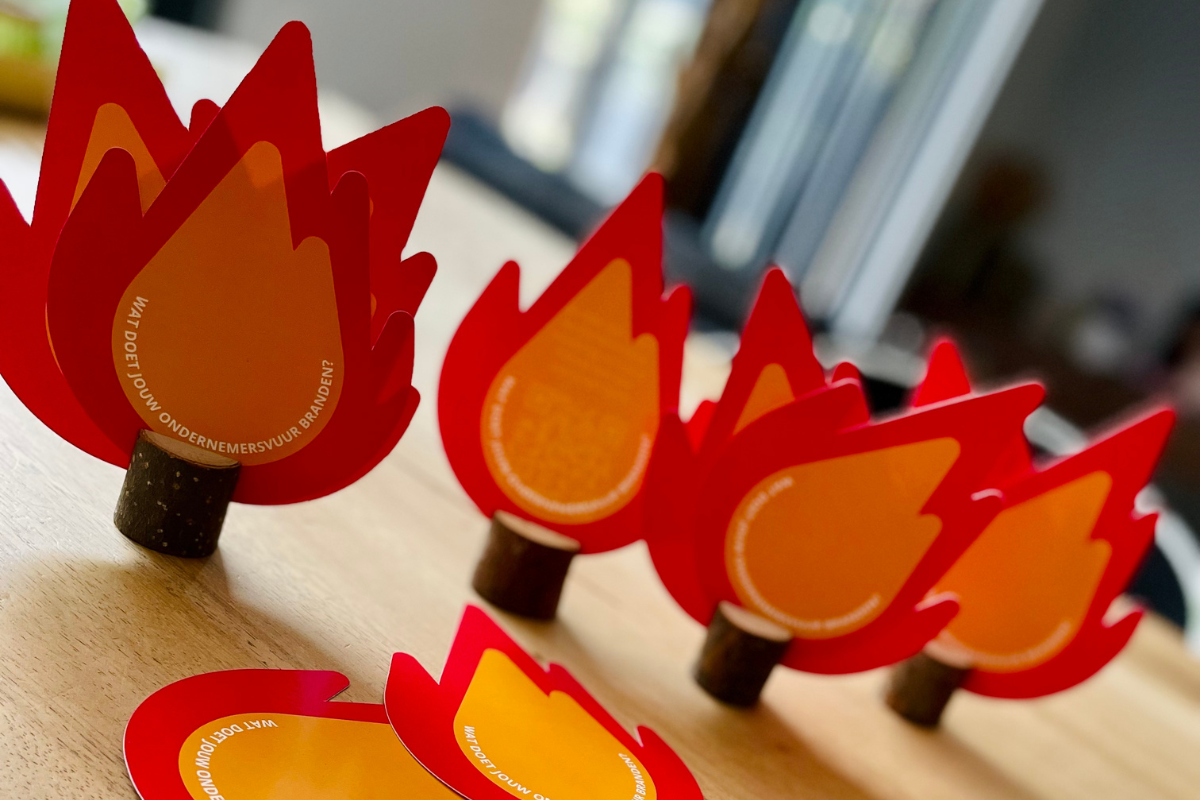
That one hour became ninety minutes. Then a half-day. Then, gradually, the whole day. I called it Firestarter Friday. Not because it was intense, but because it was mine. Protected, purposeful, and non-negotiable.
Every Friday I would zoom out to identify which processes needed improvement, then zoom in to fix them. Where were the bottlenecks? What needed to be documented? What templates or checklists could save the team hours every week? It wasn’t glamorous work. But it was the work that compounded.
The moment I knew the system was working came from our office manager. She made a joke? “Hey, why did you answer that email on a Friday?” and it landed. The team knew I wasn’t there on Fridays. They had stopped expecting me. They had stopped waiting.
That’s when I understood what protected time actually does. It doesn’t just give you space to think. It signals to your team that some of your time is no longer available to them, which forces them to solve problems without you.
“Protecting your time isn’t just a productivity strategy. It’s a leadership signal.”
Eventually, I flipped the ratio entirely. What started as one strategic hour grew into a four-day work week, and eventually a one-day work week where I spent only one day a week in the office, and 80% of my time on new projects like writing a management book, working on a real estate project, and keynote work.
But this didn’t happen by accident. From early on, my goal was clear: I wanted to work myself out of the business completely. Not because I didn’t love it, but because a business that only runs when you’re there isn’t really an asset — it’s a job. So I focused on building a team that no longer needed me there. And when Danny and I eventually sold, the transition was smooth precisely because I had already been absent for a long time.
What’s your version of that goal? Do you want to expand to multiple locations with managers reporting to you? Exit through a sale or succession? Or stay close to the craft, leading with 80% expertise and 20% strategy? The answer changes how you design your time today. Firestarter Friday looked the way it did because I knew where I was going. Your version might look completely different, and that’s exactly the point.
The thinking behind Firestarter Friday, and the broader framework for designing yourself out of daily operations, is laid out in my book YOLOpreneur.